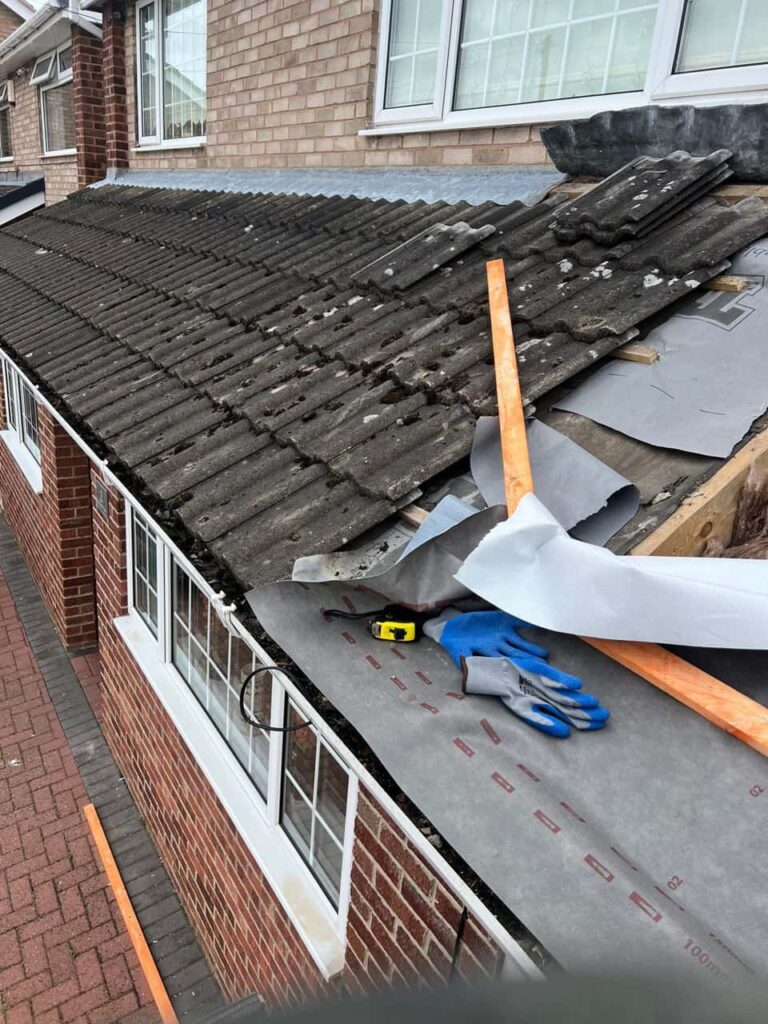
Lead flashing plays an important role in protecting a roof from water ingress. It is commonly fitted around chimneys, roof valleys, walls and other junctions where roofing materials meet. These areas can be particularly vulnerable to leaks because rainwater may find its way through even small gaps or damaged seals.
Over time, weather exposure, movement within the building and general deterioration can affect the condition of lead flashing. For property owners in Worksop, Nottinghamshire, recognising the warning signs early can help prevent minor roofing defects from developing into more extensive problems. Worksop Roofing Repairs provides professional roofing services to help identify flashing faults and restore effective protection where repairs are needed.
What Is Lead Flashing and Why Is It Important?
Lead flashing is a durable roofing material used to form a weather-resistant barrier around vulnerable joints and edges. It helps direct rainwater away from areas where the roof meets structures such as chimneys, walls and roof windows.
Even when the main roof covering is in good condition, damaged flashing can allow moisture to enter the building. Water may then affect roof timbers, insulation, ceilings and internal walls, sometimes causing damage that is not immediately visible.
Correctly installed and maintained flashing helps preserve the roof’s overall performance. Regular attention to these details is particularly important because faults around roof junctions can be difficult to identify from ground level.
Common Lead Flashing Problems
Understanding the most frequent flashing defects can help property owners recognise when a professional inspection may be necessary.
Cracked or Split Lead Flashing
Lead expands and contracts as temperatures change. Repeated movement over time can contribute to fatigue, particularly where the material has been poorly detailed or subjected to excessive stress. Cracks or splits can create openings through which rainwater may enter.
Even a small defect can become more problematic during prolonged rainfall. A roofer can inspect the affected section and determine whether a localised repair or replacement is the most suitable option.
Loose or Lifted Flashing
Lead flashing must remain properly secured and correctly positioned to prevent water from penetrating behind it. Strong winds, building movement or deteriorated fixings can cause sections to lift or become loose.
When flashing pulls away from a chimney or wall, the joint may no longer provide an effective weather barrier. Simply pressing the material back into place may not address the underlying cause, so professional repairs should establish why the flashing has moved and how it can be secured reliably.
Deteriorated Mortar Around Chimneys
Where lead flashing is inserted into masonry, the surrounding mortar can gradually crack or deteriorate. Gaps may develop between the flashing and the chimney, creating a route for rainwater to enter.
This problem can sometimes be mistaken for a defect in the lead itself. A thorough inspection helps identify whether the issue relates to the flashing, the surrounding masonry or both, allowing the appropriate repair to be carried out.
Poorly Formed Joints and Overlaps
Lead flashing often incorporates joints and overlaps designed to accommodate movement while directing water away from vulnerable areas. If these details have been installed incorrectly or have deteriorated, water may penetrate beneath the roofing materials.
Professional assessment is important because the visible symptom may not reveal the exact point of failure. Correcting the underlying detail helps restore the weatherproofing rather than relying on a temporary surface treatment.
Warning Signs of Lead Flashing Failure
Flashing damage is not always visible from the ground, but certain signs inside and outside a property may indicate a problem.
Look out for:
- Damp patches or brown staining on ceilings and upper walls.
- Water entering around a chimney breast, particularly after rainfall.
- Visible gaps or lifted sections around roof junctions.
- Cracked mortar where flashing meets brickwork.
- Damp insulation or signs of moisture within the loft.
These symptoms can have several possible causes, so they should not automatically be attributed to lead flashing. A professional roof inspection can help establish where the water is entering and whether flashing repairs are required.
How Professional Lead Flashing Repairs Protect Your Property
Effective repairs begin with identifying the source of the fault. A roofing professional will assess the flashing’s condition, examine the surrounding roof covering and check vulnerable junctions for signs of water ingress.
Depending on the findings, the work may involve repairing a suitable localised defect, securing displaced flashing, renewing deteriorated joints or replacing sections that can no longer perform reliably. Where mortar or adjoining roofing materials are contributing to the problem, these areas may also need attention.
The repair should account for how the flashing manages water and accommodates movement. Applying sealant over a damaged section without addressing the underlying defect may only provide a short-term improvement.
By restoring the integrity of vulnerable roof junctions, appropriate repairs can help reduce the risk of recurring leaks and protect internal building materials from moisture damage.
Maintaining Lead Flashing in Good Condition
Although lead flashing is known for its durability, periodic inspection remains important. Checking the roof after severe weather and paying attention to signs of damp can help identify developing problems before they become more disruptive.
Avoid climbing onto the roof to inspect flashing yourself, as roof edges, chimneys and sloping surfaces can be hazardous. Lead should also be handled carefully, so damaged sections are best assessed and repaired by an experienced roofing professional.
If your property has an older roof or a history of leaks around chimneys and walls, arranging an inspection can help establish whether the flashing remains effective.
Professional Lead Flashing Repairs in Worksop, Nottinghamshire
Lead flashing defects can be difficult to diagnose without examining the surrounding roof structure. A repair that addresses only the visible damage may fail to resolve the source of water ingress, allowing the problem to return.
Worksop Roofing Repairs helps property owners in Worksop, Nottinghamshire, identify roofing faults and determine suitable repair options. Whether you have noticed damp around a chimney, loose flashing or signs of a recurring leak, professional advice can help clarify the cause and the work required.
If you are concerned about the condition of your lead flashing, contact Worksop Roofing Repairs to discuss your roofing needs and arrange an assessment.
Conclusion
Lead flashing is essential for protecting vulnerable roof junctions from rainwater, but cracks, loose sections, deteriorating mortar and poorly formed joints can compromise its effectiveness. Recognising these problems early and arranging appropriate repairs can help prevent further water ingress and protect the structure of your property.
For property owners in Worksop, Nottinghamshire, professional inspection and repair can help maintain reliable roof protection. Worksop Roofing Repairs can assess flashing concerns and help you take the right steps towards keeping your roof in good condition.
Call us on: 01909 498 198
Click here to find out more about Worksop Roofing Repairs
Click here to complete our contact form and see how we can help with your roofing needs.