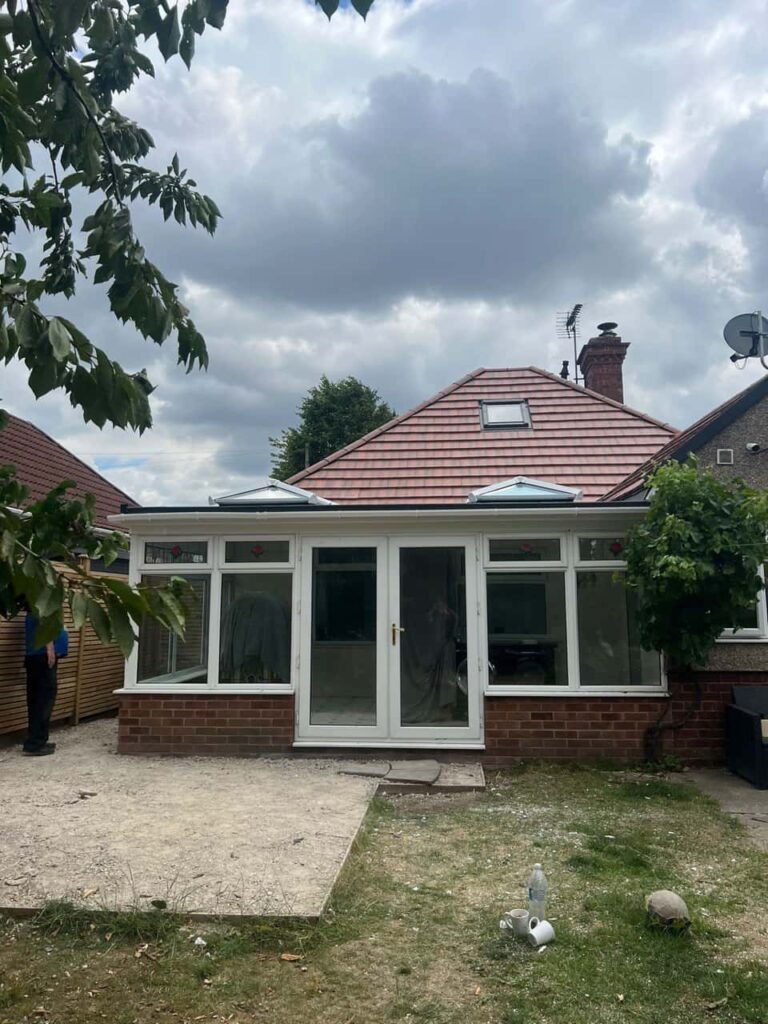
Discovering water inside a property can immediately raise concerns about the condition of the roof. Damp patches, ceiling stains or visible dripping can make the problem appear extensive, and homeowners may understandably wonder whether the roof has reached the stage where complete replacement is necessary.
However, water ingress does not automatically mean that a new roof is required. A relatively small defect can sometimes allow a surprising amount of rainwater into a property, while the remainder of the roofing system continues to perform effectively.
For homeowners in Worksop, Nottinghamshire, the sensible first step is to establish where the water is entering, why the defect has developed and whether the problem is localised or part of wider roof deterioration.
Does Water Entering a Property Mean the Roof Needs Replacing?
Not necessarily. The correct solution depends on the cause and extent of the roofing defect rather than simply the presence of water indoors.
A professional roof assessment should consider:
- Where water is entering the roofing system
- Whether the defect is confined to one area
- The condition of surrounding tiles or slates
- The condition of flashing and roof junctions
- Whether valleys or drainage details are involved
- The condition of underlay and supporting components
- Whether previous leaks have occurred
- Whether deterioration is present across several areas
- The overall condition of the roof
These factors provide a much clearer indication of whether targeted roof repair or more extensive work is appropriate.
A Significant Leak Can Come From a Small Defect
The amount of water visible inside a property does not necessarily indicate the size of the roofing problem.
A single displaced tile, damaged section of flashing or small opening around a roof junction can create a direct route for rainwater. During prolonged or wind-driven rainfall, substantial amounts of moisture can enter through a relatively limited defect.
This means a serious-looking internal leak can sometimes be resolved through a localised repair.
The important task is to identify the entry point accurately rather than assuming that the whole roof has failed.
Why the Internal Damp Patch Can Be Misleading
Water does not always appear directly below the roofing defect.
Once moisture passes beneath tiles or slates, it can travel along underlay, timbers and other surfaces before eventually reaching the interior. A damp patch on a ceiling may therefore be some distance from the original point of entry.
This is one reason why roof leak diagnosis requires more than looking directly above the internal symptom.
Repairing the wrong section may leave the original defect untouched, allowing the problem to return during the next period of rainfall.
Damaged Tiles or Slates May Be Repairable
Individual damaged, cracked or displaced roofing materials can allow water beneath the external covering.
If the problem is limited to a small number of tiles or slates and surrounding materials remain secure, targeted repair may restore effective weather protection without disturbing unaffected sections.
The surrounding area should still be assessed carefully.
A displaced component may occasionally indicate deterioration to fixings, battens or other supporting materials. Understanding why the damage occurred helps ensure that the repair addresses more than the visible symptom.
Flashing Defects Can Cause Noticeable Water Ingress
Flashing is used to protect vulnerable points where roofing materials meet walls and other building features.
A relatively small flashing defect can allow repeated water ingress even when the main roof covering remains in good condition. Because these junctions need to direct rainwater effectively, deterioration or displacement can create a significant weakness.
Where flashing is the sole cause and neighbouring roofing materials remain serviceable, repairing the affected detail may resolve the problem.
This is very different from a roof where several components are deteriorating simultaneously.
Roof Valleys Need Careful Inspection
Valleys collect water from adjoining roof slopes and direct it towards the drainage system.
Because substantial volumes of rainwater can pass through these areas, even a relatively small defect may produce significant internal symptoms.
Problems can develop through deterioration, displacement or changes to surrounding roofing materials.
A leaking valley does not necessarily mean the entire roof needs replacing. The condition of the valley and adjacent roof sections needs to be assessed to establish how far the problem extends.
What Is Happening Beneath the Roof Covering?
Tiles and slates are only the visible part of the roofing system.
Beneath them, underlay and battens contribute to the roof’s overall performance. When water has been entering for some time, these components may also require inspection.
If deterioration beneath the covering remains confined to the immediate area of the leak, localised work may still be appropriate.
If inspection reveals that underlying materials have deteriorated extensively across the roof, a more comprehensive approach may need to be considered.
This is why the extent of the problem cannot always be judged from outside the property.
One Leak Is Different From Multiple Leaks
The pattern of water ingress provides useful information about overall roof condition.
One leak associated with a clearly identifiable defect may have little relevance to the rest of the roof. Several leaks appearing independently across different sections can suggest something more widespread.
If water begins entering around multiple junctions, slopes or roof details, the roofing system should be assessed as a whole.
This does not automatically confirm that replacement is required, but it does mean that treating each new leak independently may fail to address the broader condition.
Previous Roof Repairs Can Provide Useful Clues
A roof’s repair history can help determine whether the latest leak is an isolated event or part of an ongoing pattern.
A roof that has performed reliably for many years before developing one localised defect may remain an excellent candidate for repair.
A roof that has required repeated attention across numerous areas presents a different situation.
If new problems continue to develop despite successful repairs elsewhere, the materials may be deteriorating more generally. Looking at the history alongside the current condition helps provide a more balanced assessment.
Does an Older Roof Need Replacing Once It Leaks?
No. Roof age should not determine the decision on its own.
An older roof can develop one repairable defect while the majority of its materials remain serviceable. Equally, a roof does not have to reach a particular age before significant deterioration can develop.
Physical condition provides more useful information than age alone.
The key question is whether the roof can return to reliable performance after the identified defect has been corrected.
When Is Roof Repair the Appropriate Solution?
Repair is generally suitable when the cause of water ingress can be clearly identified and deterioration is confined to a manageable area.
The surrounding roofing materials also need to remain capable of supporting a dependable repair.
Suitable work might involve replacing damaged roof coverings, correcting defective flashing, restoring a vulnerable junction or repairing another localised component.
The aim should be to correct the route through which water is entering rather than simply provide a temporary surface treatment.
When Does Replacement Become More Relevant?
Roof replacement becomes more relevant when deterioration is widespread rather than confined to one problem area.
Repeated leaks in unrelated locations, widespread material failure, deteriorated underlying components and increasingly fragile roofing materials can indicate that individual repairs are becoming less effective.
In these circumstances, addressing the roof as a complete system can provide a more coherent solution.
Replacement should therefore be considered because of the roof’s overall condition, not simply because water has appeared inside the property.
Why Finding the Cause Should Come Before Choosing the Solution
A decision between roof repair and replacement should always follow diagnosis.
If the source of water ingress has not been established, it is difficult to know what work will actually solve the problem. The visible internal symptom alone cannot provide enough information.
A thorough assessment considers the roof covering, vulnerable details, underlying components and the likely route taken by water.
This approach helps prevent both unnecessary replacement and repeated repairs that fail to address the true cause.
Why Prompt Assessment Can Be Beneficial
Once water has found a route through the roofing system, continued rainfall can expose surrounding materials to further moisture.
A localised defect may therefore become more involved if it remains unattended for an extended period.
Having the problem assessed promptly can establish its extent while the affected area may still be relatively contained.
This does not mean assuming that extensive work is necessary. It simply provides an opportunity to understand the problem and determine an appropriate response before further deterioration occurs.
The Value of a Whole-Roof Assessment
Even when the immediate concern is one leak, examining the wider roof can provide valuable context.
The purpose is to confirm whether surrounding sections remain sound and whether any other deterioration is connected with the water ingress.
At Worksop Roofing Repairs, we focus on understanding the cause and extent of roofing problems before recommending the appropriate work. Where the defect is localised and the wider roof remains serviceable, targeted repair may provide exactly what is required.
For homeowners in Worksop, Nottinghamshire, this condition-led approach provides a clearer understanding of whether the roof needs repair or more comprehensive attention.
Conclusion
A new roof is not always necessary when water starts entering a property. Even substantial water ingress can sometimes result from a relatively small defect involving tiles, slates, flashing, valleys or roof junctions.
The correct solution depends on where the water is entering, how far deterioration extends and whether the surrounding roofing system remains serviceable. Localised defects can often be repaired successfully, while widespread deterioration and repeated leaks may justify consideration of more extensive work.
If water is entering your property in Worksop, Nottinghamshire, contact Worksop Roofing Repairs. We can assess the affected roof, identify the likely source of the water ingress and recommend an appropriate solution based on the condition found.
Call us on: 01909 498 198
Click here to find out more about Worksop Roofing Repairs
Click here to complete our contact form and see how we can help with your roofing needs.